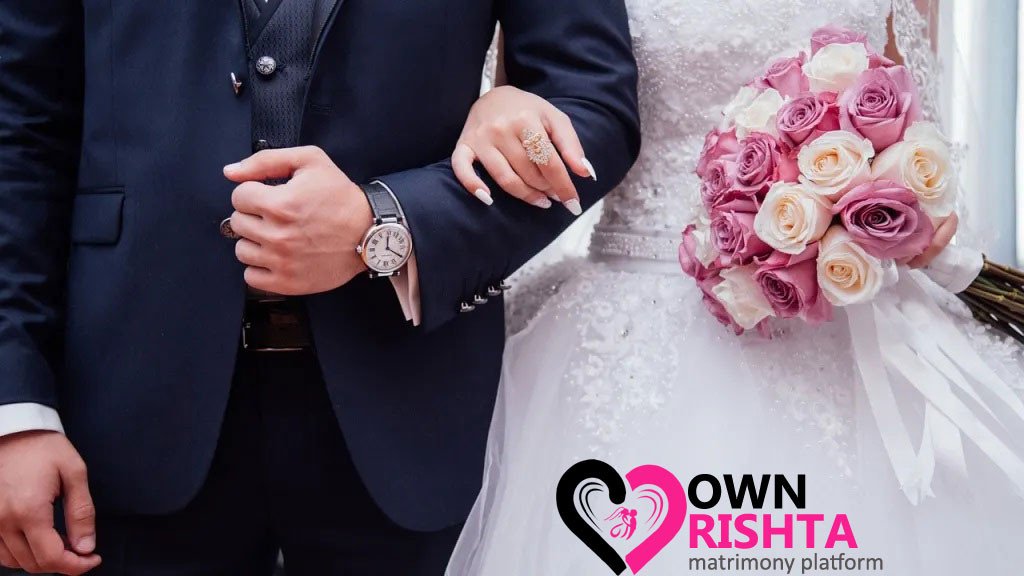
What Is Holy Matrimony Definition Rituals and Spiritual Importance
Marriage is as old as human civilization itself. Every culture, every religion, and every era has honored some form of union between two people who choose to build a life together. But the phrase “Holy Matrimony” carries a deeper meaning than the simple act of marriage. It implies a union that is spiritually blessed, morally grounded, culturally honored, and divinely witnessed. Holy Matrimony is not merely a contract—it is a covenant.
Whether viewed through the eyes of Christianity, Islam, Hinduism, Sikhism, Judaism, Buddhism, or other traditions, the concept of holy matrimony is rooted in faith, commitment, sacrifice, and unity. It is the belief that marriage is not only a social arrangement but a spiritual bond that shapes the destiny of two souls.
This article explores the idea of holy matrimony from historical, spiritual, cultural, emotional, and psychological viewpoints. It aims to provide a rich, thoughtful, and real human exploration of what it means to unite in a sacred marriage.
1. What Is Holy Matrimony?
The term “Holy Matrimony” originates from Christian theology, where marriage is viewed as a sacred sacrament. However, the broader meaning transcends Christianity. Across many cultures, matrimony is considered holy because:
-
It unites two souls on a spiritual level.
-
It forms the basis of family, society, and community.
-
It represents divine blessings and moral responsibility.
-
It upholds values such as loyalty, sacrifice, and respect.
In essence, holy matrimony is a sacred commitment between two people, rooted in mutual love, honor, and divine guidance.
1.1 Holy vs. Secular Marriage
A secular marriage is primarily a legal partnership recognized by the state.
Holy matrimony, on the other hand:
-
involves a spiritual blessing,
-
is often conducted before religious leaders,
-
highlights moral responsibilities,
-
and views marriage as an eternal covenant, not just a contract.
This distinction emphasizes the higher spiritual purpose of holy matrimony.
2. The Historical Roots of Holy Matrimony
Marriage did not begin as a romantic institution. In ancient societies, it was created for:
-
survival
-
protection
-
inheritance
-
social alliances
Over time, as civilizations grew, so did the emotional and spiritual dimensions of marriage.
2.1 Ancient Civilizations
In Mesopotamia, Egypt, and Greece, marriage rituals were associated with religious blessings and divine favor.
2.2 Rise of Religious Influence
Major world religions formalized marriage as a sacred act, introducing rituals, vows, and moral codes.
For example:
-
Christianity declared marriage a sacrament.
-
Islam defined marriage (nikah) as a sacred contract with spiritual responsibilities.
-
Hinduism described marriage (vivaha) as a divine union spanning multiple lifetimes.
-
Judaism viewed marriage as a holy covenant ordained by God.
These religious traditions shaped the global understanding of holy matrimony for thousands of years.
3. Holy Matrimony in Christianity
Christianity views holy matrimony as one of the most sacred institutions established by God.
3.1 Biblical Foundation
The Bible describes marriage in Genesis:
“A man shall leave his father and mother and be joined to his wife, and the two shall become one flesh.”
This unity symbolizes:
-
partnership
-
fidelity
-
mutual respect
-
divine purpose
3.2 The Sacrament of Marriage
In many Christian denominations, holy matrimony is a sacrament representing:
-
Christ’s love for the Church
-
a lifelong, unbreakable covenant
-
spiritual unity blessed by God
The ceremony often includes vows such as:
-
“for better or worse”
-
“in sickness and in health”
-
“till death do us part”
These promises highlight endurance, sacrifice, and unconditional love.
3.3 The Role of the Church
A Christian marriage is typically performed by a pastor or priest, symbolizing that God stands as witness to the union.
4. Holy Matrimony in Islam
Although Islam does not use the exact phrase “holy matrimony,” the Islamic concept of marriage is deeply sacred.
4.1 Marriage as a Sacred Covenant
In Islam, marriage (nikah) is:
-
a spiritual, social, and legal contract
-
a Sunnah of the Prophet Muhammad (PBUH)
-
a partnership based on mercy, love, and compassion
The Qur’an describes marriage as a bond filled with “tranquility, affection, and mercy.”
4.2 Rights and Responsibilities
Islam emphasizes:
-
mutual respect
-
fairness
-
financial responsibility by the husband
-
emotional support and loyalty from both partners
4.3 Family and Community Blessing
Islamic weddings involve the blessing of families, communities, and the formal agreement of both bride and groom.
While the legal aspect is important, the spiritual significance defines Islamic matrimony as holy in purpose and pure in intention.
5. Holy Matrimony in Hinduism
Hindu marriage (Vivaha) is one of the most sacred samskaras (rites of passage).
5.1 Marriage Across Lifetimes
Hinduism believes that marriage binds two souls not just in this life but across seven lifetimes.
5.2 Rituals Symbolizing Unity
Key rituals include:
-
Saptapadi (Seven Steps)
-
Mangal Sutra
-
Sindoor (Vermilion)
-
Agni Pooja (Sacred Fire Ceremony)
Each ritual symbolizes spiritual, emotional, and practical commitments.
5.3 Dharma and Responsibility
Marriage is a union through which a couple:
-
fulfills religious duties
-
supports each other
-
raises a family
-
contributes to society
Thus, Hindu marriage is inherently holy—a sacred journey toward spiritual growth.
6. Holy Matrimony in Sikhism, Judaism, Buddhism and Other Faiths
6.1 Sikhism
Sikh marriage, called Anand Karaj, means “blissful union.”
It emphasizes equality, mutual respect, and devotion to God.
6.2 Judaism
Jewish marriage (Kiddushin) means “sanctification.”
It is considered a holy covenant representing divine blessings and responsibility.
6.3 Buddhism
While Buddhism does not mandate marriage as a religious sacrament, it views marriage as a moral partnership guided by compassion, understanding, and mindful living.
7. The Emotional and Spiritual Depth of Holy Matrimony
Holy matrimony is not only about rituals—it's also about inner transformation.
7.1 Love as Sacred Energy
In sacred marriage, love is considered:
-
divine
-
healing
-
unifying
-
enduring
7.2 The Purpose of Unity
Holy matrimony encourages:
-
personal growth
-
emotional support
-
shared dreams and responsibilities
-
spiritual companionship
7.3 Forgiveness and Sacrifice
A sacred marriage is strengthened by:
-
patience
-
compromise
-
compassion
-
selflessness
These values sustain a relationship during challenges.
8. Holy Matrimony in the Modern World
As society evolves, so does marriage. Yet, the core values remain the same.
8.1 Technology and Matrimonial Platforms
Online matrimonial services allow people to find compatible partners while still respecting religious, cultural, and spiritual values.
Platforms like:
-
all-religion matrimonial sites
-
faith-based matchmaking
-
community-oriented services
help modern individuals maintain both tradition and personal choice.
8.2 The Role of Personal Freedom
Today, holy matrimony thrives not through pressure but through:
-
willingness
-
understanding
-
communication
-
emotional maturity
8.3 Balancing Tradition and Modernity
Couples now blend ancient rituals with contemporary lifestyle choices, making marriage both sacred and practical.
9. Challenges in Maintaining a Holy Marriage
While the idea of holy matrimony is beautiful, it requires effort to sustain.
9.1 Communication Issues
Lack of communication can weaken even the strongest bonds.
9.2 Modern Stress
Busy schedules, financial pressures, and technology distractions affect relationships.
9.3 Expectations vs. Reality
Unrealistic expectations lead to disappointment.
9.4 Loss of Spiritual Connection
Without conscious effort, couples may drift away spiritually.
Yet, overcoming these challenges strengthens the sacred bond.
10. The Role of Family in Holy Matrimony
Families often play an important role in sacred marriages.
10.1 Support and Guidance
Healthy family involvement can:
-
reduce conflict
-
offer emotional support
-
strengthen traditions
10.2 Blessings and Rituals
Many faiths emphasize the importance of parental blessing, prayers, and rituals that signify spiritual approval.
10.3 The Balance of Independence
Couples must also maintain personal independence, ensuring the marriage remains between the two individuals first.
11. Holy Matrimony as a Lifelong Journey
Holy matrimony is not a single event—it is a lifelong spiritual journey of:
-
discovering each other
-
growing together
-
facing challenges
-
celebrating triumphs
-
raising families
-
aging gracefully together
A sacred marriage is a sanctuary where two people feel:
-
accepted
-
valued
-
respected
-
cherished
It is a journey that shapes not only the couple but future generations.
12. The Meaning of Vows in Holy Matrimony
Across traditions, vows symbolize eternal commitment.
12.1 Christian Vows
"To love and cherish, in sickness and in health."
12.2 Islamic Nikah Declaration
A declaration of intention, responsibility, and respect.
12.3 Hindu Saptapadi Vows
Each step represents a promise of nourishment, strength, happiness, family, health, prosperity, and eternal friendship.
12.4 Universal Promise
Regardless of religion, vows remind couples of:
-
loyalty
-
partnership
-
faith
-
love
-
perseverance
13. The Symbolism of Marriage Rituals
Every wedding ritual—no matter the religion—represents deeper spiritual truths.
Examples include:
-
The ring: eternal, unbroken circle of love
-
Fire in Hindu weddings: purity and divine witness
-
Nikah recitation: sacred acceptance
-
Veil or covering: respect and modesty
-
Exchange of garlands: acceptance and unity
These symbols transform an ordinary event into holy matrimony.
14. Holy Matrimony and the Building of a Home
A holy marriage creates:
-
a safe emotional space
-
a stable environment
-
a nurturing family
-
a place guided by faith and values
Raising children in such homes strengthens moral foundations for future generations.
15. Holy Matrimony and Personal Transformation
Marriage changes individuals profoundly.
15.1 Emotional Maturity
Couples learn patience, forgiveness, and communication.
15.2 Spiritual Growth
Marriage encourages deeper faith and trust in divine guidance.
15.3 Strength Through Unity
Two individuals share burdens and blessings.
16. The Eternal Nature of Holy Matrimony
In many traditions, sacred marriage lasts:
-
beyond life
-
beyond time
-
into the afterlife
It symbolizes an eternal bond blessed by a higher power.
Conclusion: Holy Matrimony as a Sacred Gift
Holy matrimony is one of humanity’s greatest institutions. It goes beyond attraction, beyond legal documents, and beyond ceremonies. It is the union of two souls, blessed by faith, strengthened by commitment, and nourished by love.
In a world where relationships often feel fragile, holy matrimony stands as a reminder that love can be sacred, commitment can be spiritual, and marriage can be a lifelong journey of meaning, purpose, and divine grace.
Whether one approaches marriage from a religious, cultural, or personal perspective, the essence remains the same:
Holy matrimony is a sacred covenant—an eternal promise to walk life’s path together.